Giving Naval Children their Voice
We live in a world where the best jobs and best opportunities go to the people who are most articulate, the people who are best at putting their point across. So, learning to debate can be incredibly valuable for young people, for several reasons:
- It develops critical thinking skills:Debating requires students to think critically about complex issues, analyse
arguments, and evaluate evidence. These skills are essential for success in academic and professional settings. - It enhances communication skills: Debating provides an opportunity for young people to improve their public speaking skills and learn how to communicate their ideas effectively. This can be particularly beneficial for
those who may not have had many opportunities to practice speaking in front of others. - Boosts confidence: Participating in debates can help young people from disadvantaged backgrounds build confidence in their abilities, which can carry over to other areas of their lives, such as academics, relationships, and career pursuits.
- Expands knowledge and worldview:Debating allows students to explore a wide range of topics and perspectives, which can broaden their understanding
of the world and help them become more informed and engaged citizens.
- Opens doors for future
opportunities: Debating can be a valuable extracurricular activity that can impress college admissions officers and potential employers, and it can also provide networking opportunities and connections to mentors who can
help students achieve their goals. - Overall, learning to debate can provide young people with valuable skills, knowledge, and opportunities that can help them succeed in school and beyond.
We understand that children of naval families may experience loneliness and isolation due to the nature of their parent’s job. Naval families often face frequent moves and long periods of separation due to deployments, which can make it difficult for children to form lasting relationships and maintain connections with friends and family.
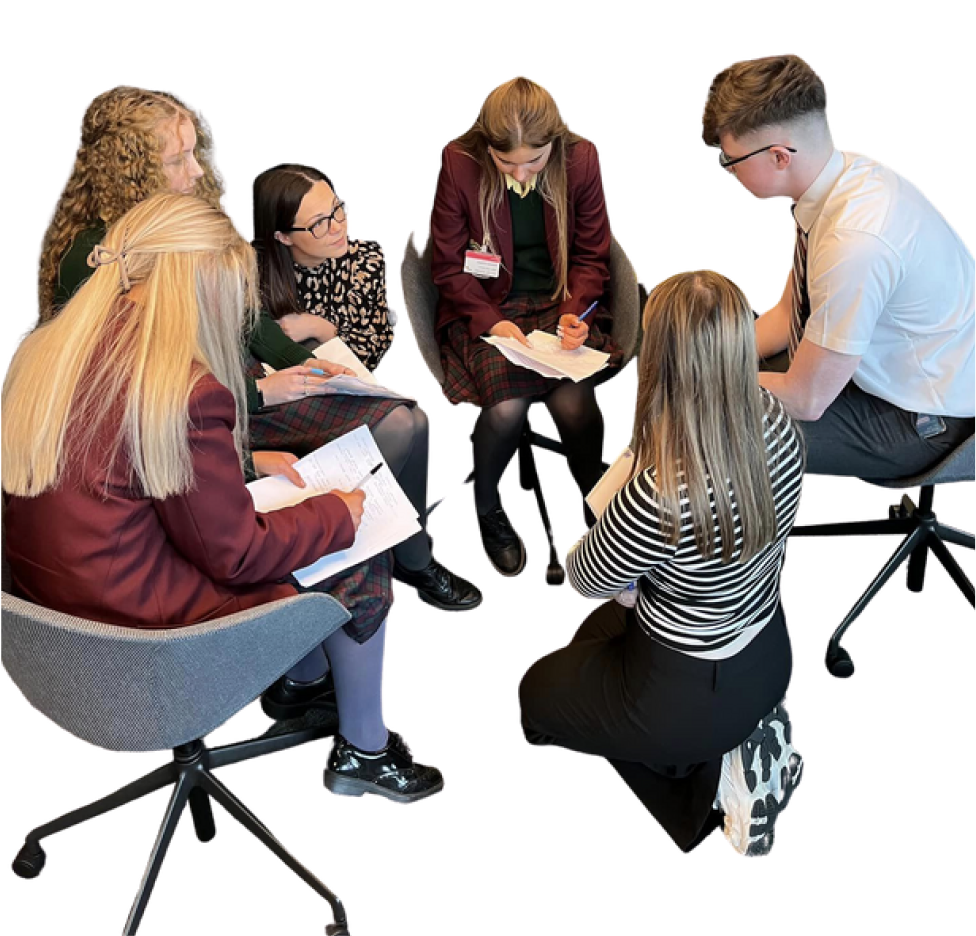
Frequent moves can disrupt a child’s social support network and cause feelings of isolation, as they may have to often adjust to new environments, schools, and peer groups. This can lead to a sense of disconnection and loneliness, as the child may struggle to establish meaningful relationships in their new community.
So, recognising the advantages of debate training and the sometimes-isolated situation for naval children, the Naval Children’s Charity, working in partnership with the Naval Families Federation, veterans charity Forward Assist and educational charity Parallel Histories, has created a new debating programme. It’s aimed at young people from naval families who would both benefit from debate training and would enjoy getting to know and sharing experiences with other young people from naval families located in different parts of the country or abroad. And it’s free.
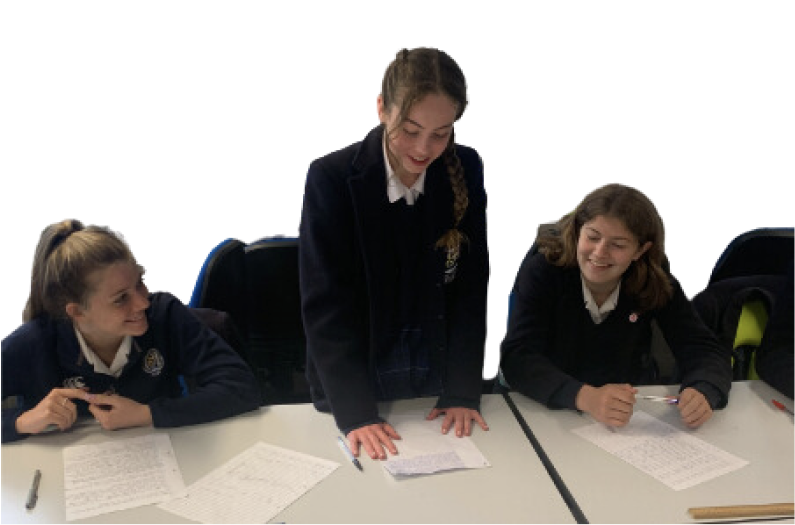
The debate workshops are informal and collaborative and designed for young people with no previous debating experience. In fact, we really want to involve you if you are one of those people who hate public speaking. There will be some online training in small groups of two or three, then some online debating with other naval young people,
and at the end of the programme a trip to London and a celebration event in the Houses of Parliament. We’ll be running this programme across the summer and into the autumn and we can schedule the training either after school during the school term time or during the day during school holidays.
How to get involved
If you are a young person aged 12-16 come from a current or former naval family, and are interested in taking part, or simply want to find out more, please email sarah@parallelhistories.org.uk
We are also looking for three or four students (18-25) who would be able to act as debating mentors. Parallel Histories will provide training on how to teach speaking skills and you would be needed for approximately 6-8 hours over the summer and autumn to mentor young people online. This opportunity would be of value to students who are: thinking about a career in education, wanting to develop their record of volunteering for
their CV, or simply interested in helping younger people achieve their potential. If you think this would suit you please email sarah@parallelhistories.org.uk